

Cattle are major economic contributors in terms of supply of meat & milk in the world. Mix breed cattle provide an edge over local breeds in terms of milk production per animal per day. But, it’s poor adaptability towards climate (high ambient temperature, humidity), low-quality feed, low levels of concentrate supplementation, low genetic potential for milk production of multi-purpose animals (in addition to milk and meat these cattle also often provide draught power), and high incidence of disease
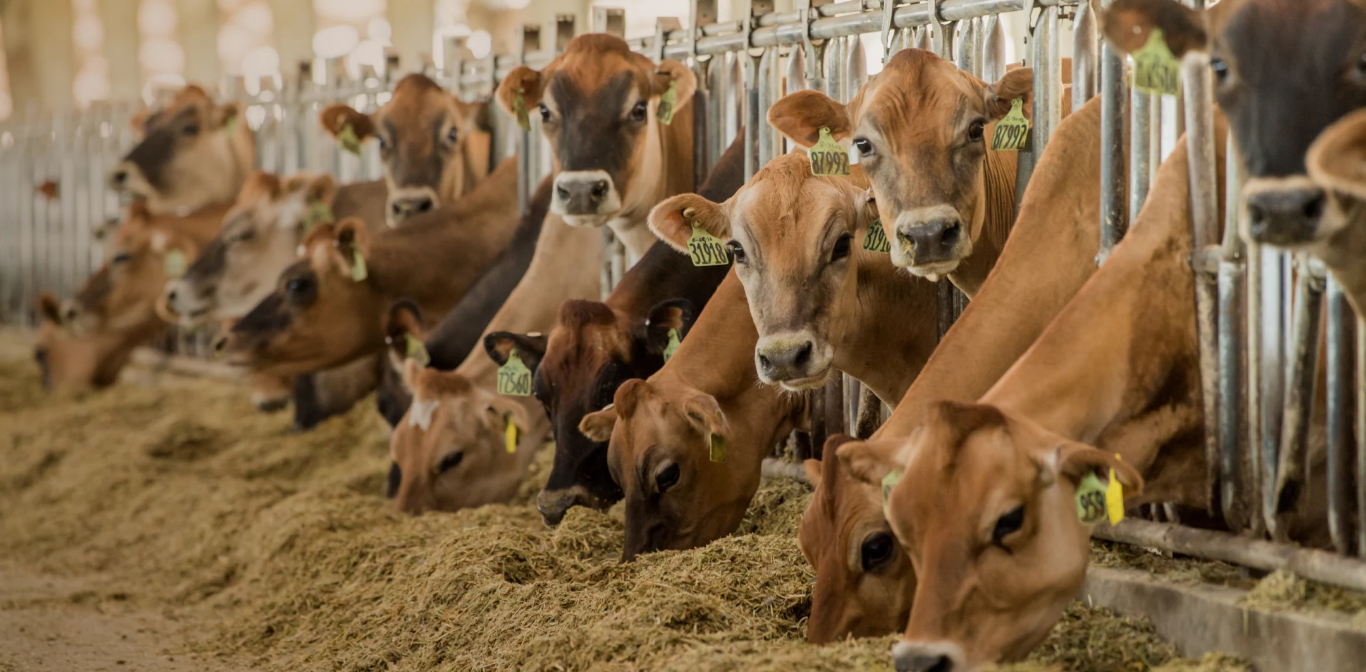
Since Animal Husbandry deals with livestock and highly vulnerable assets, every member of the livestock must be utilized with utmost proficiency the whole functional system must have a substantial Sustainability at its core. That shall be addressed here, at IEC
As we saw in the previous slide, Animal Husbandry poses manifold challenges which may have to be addressed with incredible precision but the solutions must also be highly adaptable and scalable to be viable and perpetually applied in all systems of livestock management. Addressing only one or few of these challenges may not significantly deliver reliable and reproducible results.
IEC’s meticulous approach to addressing the challenges in Animal Husbandry shall aid the farmer promptly get to the bottom of the diverse hurdles to sustainably extracting the full productivity of the livestock.
Continued Economic Sustainability of a dairy farm depends on maximizing the milk production potential of animals while at the same time ensuring the fundamental health of animals. Aggregate cost, quality and utilization of feed by animals, generate the greatest impact on the profitability of dairy farms. Fast-acting UltraLac helps farmers achieve rapid improvement in milk production that is also sustainable over time.
The judiciously chosen microbes in UltraLac are known, in scientific literature, to establish themselves in a Cow’s rumen. Through a complementary mechanism the microbes help control pH, prevent ketosis and acidosis. UltraLac is believed to enhance fiber digestion. Most importantly, UltraLac is believed to maintain a healthy population of beneficial rumen microflora which shift volatile fatty acid (VFA) production towards production of propionate (glucose precursor) which is known to improve growth efficiency in growing cattle and increase milk production in lactating cows. UltraLac also provides a rich source of saponins, a class of natural compounds that have been shown in both in vitro and in vivo studies to have anti-protozoal activity. Elimination or inhibition of protozoa is implicated in improving the nitrogen economy in rumen. Sulfur-containing compounds in one of the... READ MORE plant in UltraLac is shown in a batch culture to reduce methane production, likely by direct inhibition of rumen methanogenic archaea. Methane production represents loss of digestible energy and thus its prevention can increase available energy for the animal and also help reduce greenhouse gases.
Improved microbial activity and the resultant enzyme production in rumen leads to better nitrogen utilization for microbial protein synthesis. Plant bioactives used in UltraLac are shown in scientific literature to reduce breakdown of ruminal protein and improve N utilization through binding with excess ammonia in rumen. UltraLac also contains substances naturally rich in eugenol that is shown in vitro studies to increase the production of butyrate that is responsible for protein synthesis. Both lysine and methionine aminoacids-rich ingredients used in UltraLac, are likely to help enhance levels of the bypass protein that helps increase the overall protein content of milk. Additionally, the oil seed cakes used in formulating UltraLac contain unsaturated vegetable fats which are thought to be rumen-bypass fats that increase total fat content in milk.
Essential minerals in UltraLac such as Calcium are known to make up for mineral deficiencies in corn-based diets during the critical stage of milk production. Other minerals such as sodium and manganese are believed to help with proper function of an animal’s nervous and muscular systems, water retention and ability to cope with stresses such as heat. From field experience it should be noted that UltrLac also promotes a healthy appetite which is fundamentally necessary to provide more energy to animals.
Yeast and carbohydrate sources in UltraLac contain mannan-oligosaccharides and beta-glucans which have been thought to improve the health of an animal’s gastrointestinal track and potentially bind pathogenic bacterial organisms. Two of the plant extracts in UltraLac have high concentrations of antioxidents, antifungal and antiviral agents which are believed to positively impact overall animal health. Plant extracts in UltraLac are also known to reduce or control parasites that otherwise negatively impact animal health.
FEEDING Along with water OR feed
FEEDING Along with water OR feed
FEEDING Along with water OR feed










 Larger Ruminants – Cow, Buffalo
 Poultry Nutrition